Winter and early spring: keeping moisture in check
Snowmelt can saturate soil and raise groundwater levels, especially near foundations. Ensure gutters and downspouts direct water away from the house and check for any cracks in the foundation that could let moisture in. In Wisconsin, keeping foundation areas dry reduces the chance of new intrusion that could creep into basements.
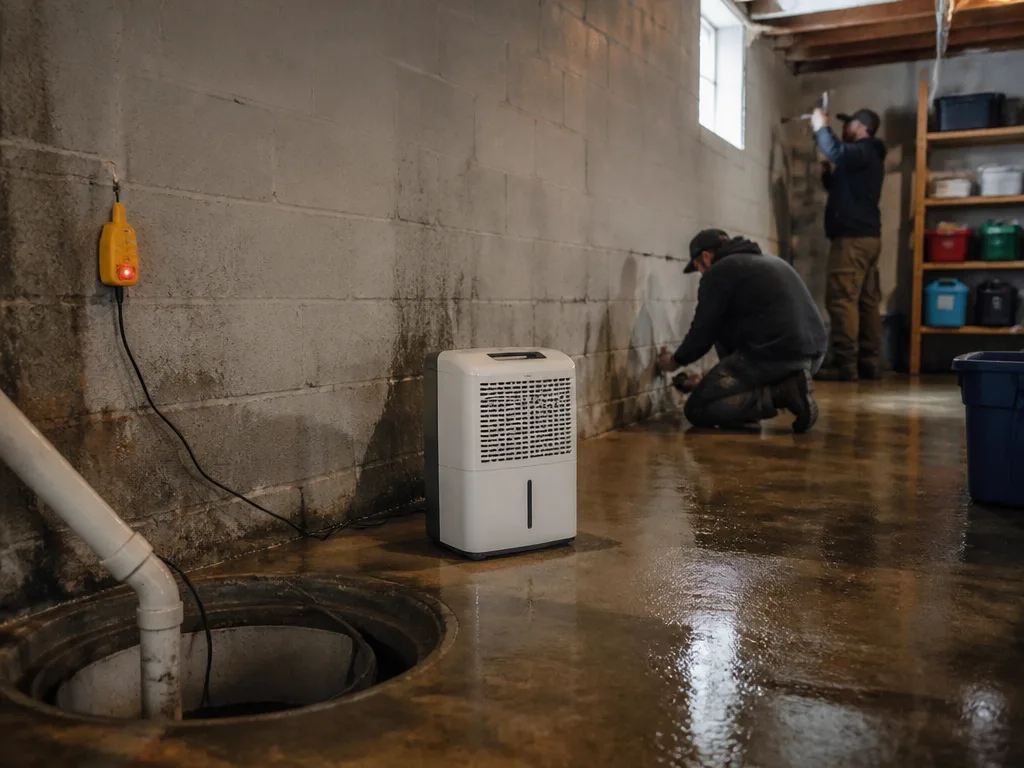
Use a dehumidifier in basements and crawl spaces during the damp season. Run a gentle continuous mode rather than brief bursts; steady humidity control is more effective for preventing mold development. Our restoration specialists can recommend a humidity target based on your home’s layout and climate conditions.
Spring and summer: monitor rainfall and outdoor drainage
Heavy spring rainfall in Wisconsin can overwhelm drainage systems. Inspect grading around the home and ensure soil slopes away from the foundation. Clear any debris from window wells and check for leaks around rooflines that could funnel water into walls. A small investment in drainage improvements can save bigger repairs later.
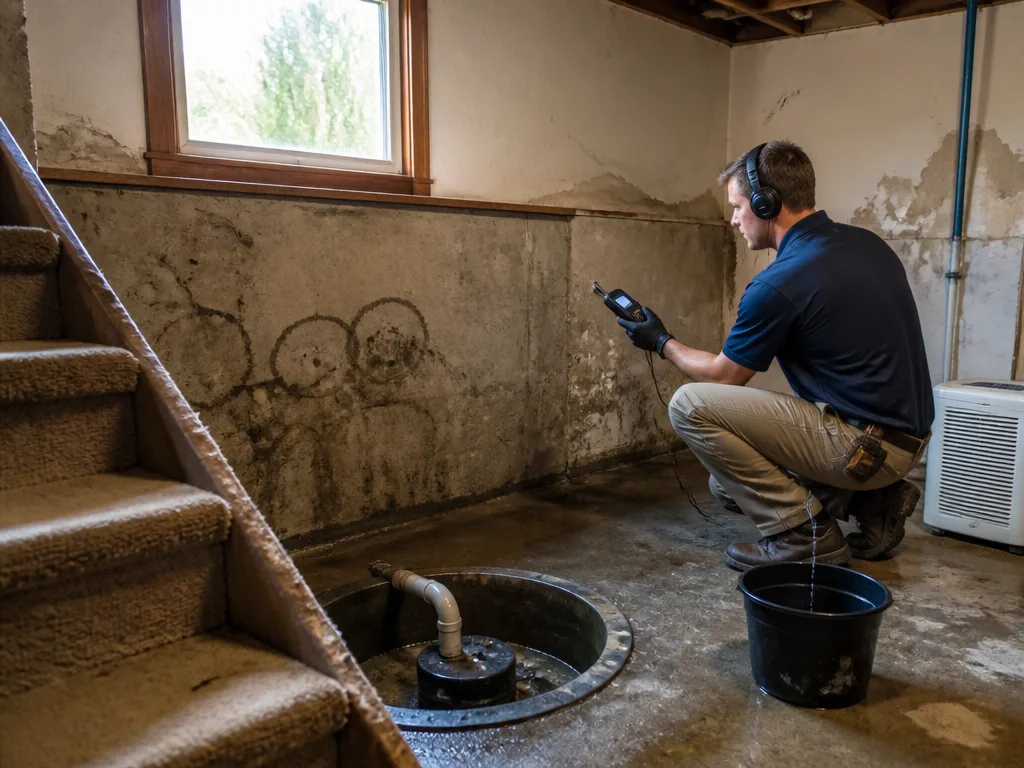
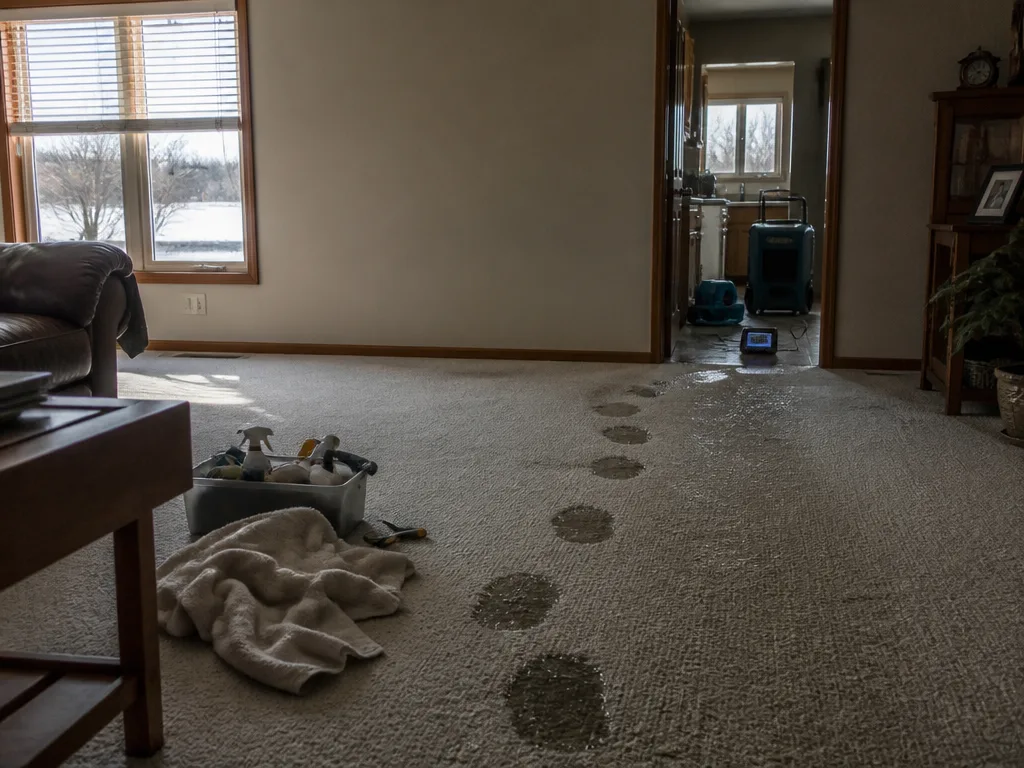
After heavy storms, inspect spaces that are prone to moisture accumulation, like basements, laundry rooms, or bathrooms. If you notice dampness, act quickly. Our restoration specialists can perform a thorough assessment, use moisture-detecting tools, and outline a practical drying plan to protect your home.
Ongoing prevention you can implement
Set up a seasonal checklist and keep it in a central place. Include gutters cleared, window seals checked, and a plan for early moisture monitoring after big storms. Wisconsin Flood Restore offers free phone consultations to discuss prevention steps tailored to your home and climate. Our crews across Wisconsin can schedule a walk-through to identify potential trouble spots and propose concrete actions to reduce risk.